
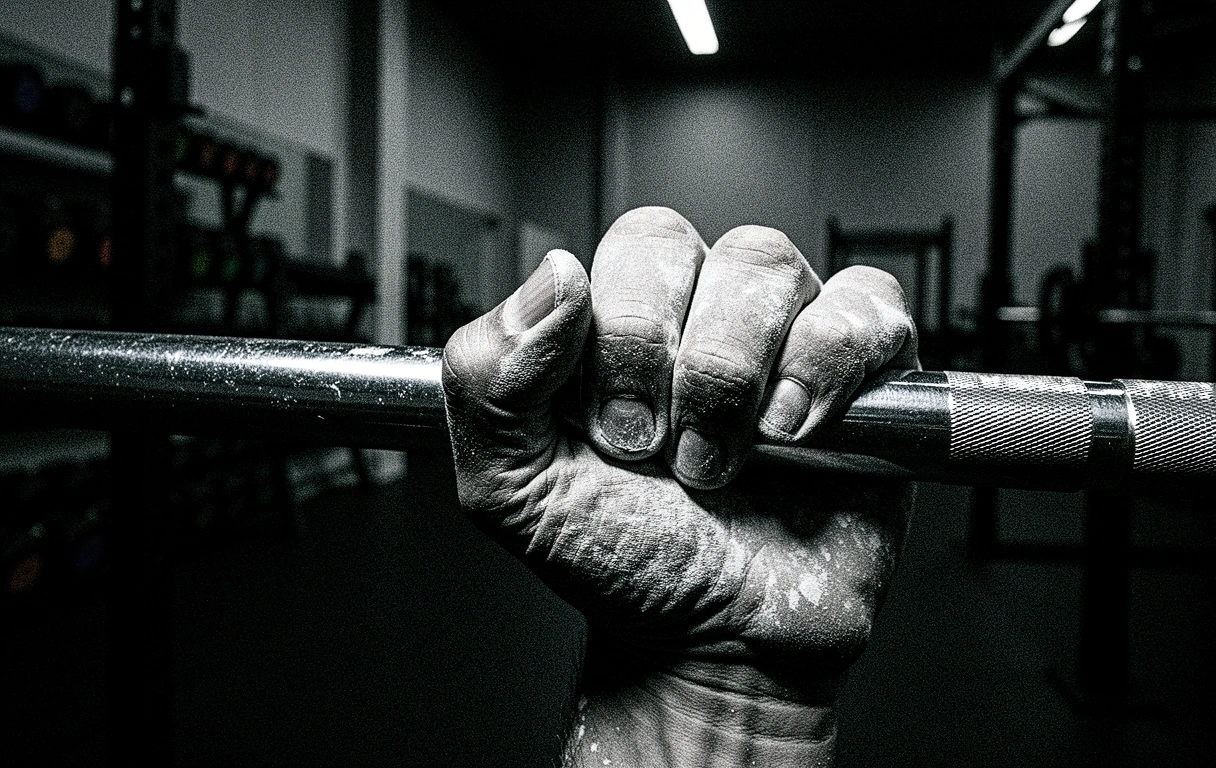
Architecture of Form
True
Mechanics
A rigorous examination of movement technique, structural integrity, and the training standards that define professional coaching.
View ProtocolsMechanical
Integrity
Training is not an act of random intensity. It is a calculated application of force against external resistance. Our methodology prioritizes the optimization of movement technique to maximize force production while maintaining joint stability.
We reject the culture of novelty. Instead, we focus on the mastery of fundamental movement patterns—the squat, hinge, push, and pull—refined over thousands of repetitions under professional observation.
Progressive Overload
The systematic increase in stress placed upon the body during exercise. This is achieved through precise adjustments in weight, volume, or density, ensuring continuous adaptation without exceeding structural limits.
Bio-Mechanical Flow
Every session begins with a technical audit. We examine leverage, tempo, and bracing strategies to ensure every joule of energy contributed is directed toward the desired output.
Zero arbitrary movements. Every exercise selection is justified by specific physiological requirements.
Programs are modified in real-time based on individual recovery rates and performance data.
We rely on logged metrics and objective markers to dictate the direction of your training program.
Data-Driven
Evolution
Legitimacy in coaching stems from transparency. We utilize a structured approach to training standards that removes ambiguity from the process. By tracking specific movement tempo, rest intervals, and cumulative workload, we create a clear map of your physical progression.
This is not a generic template. This is a methodology rooted in the physics of strength, designed for men who demand a professional standard in their physical development.
Discipline is not an emotion. It is a structural requirement for growth.
— Operating Principle 04